




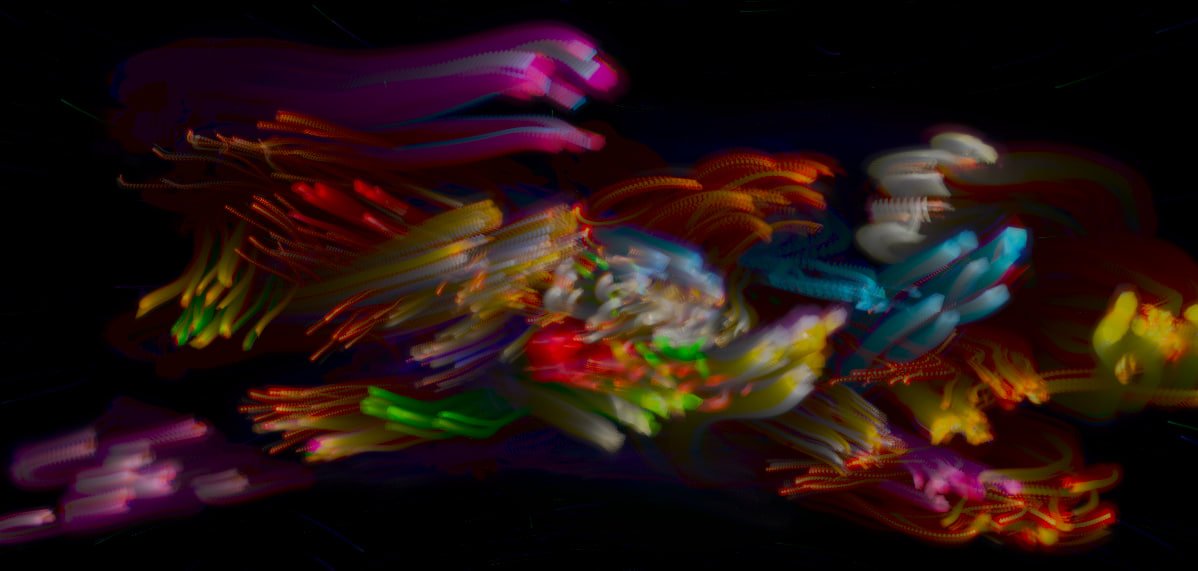
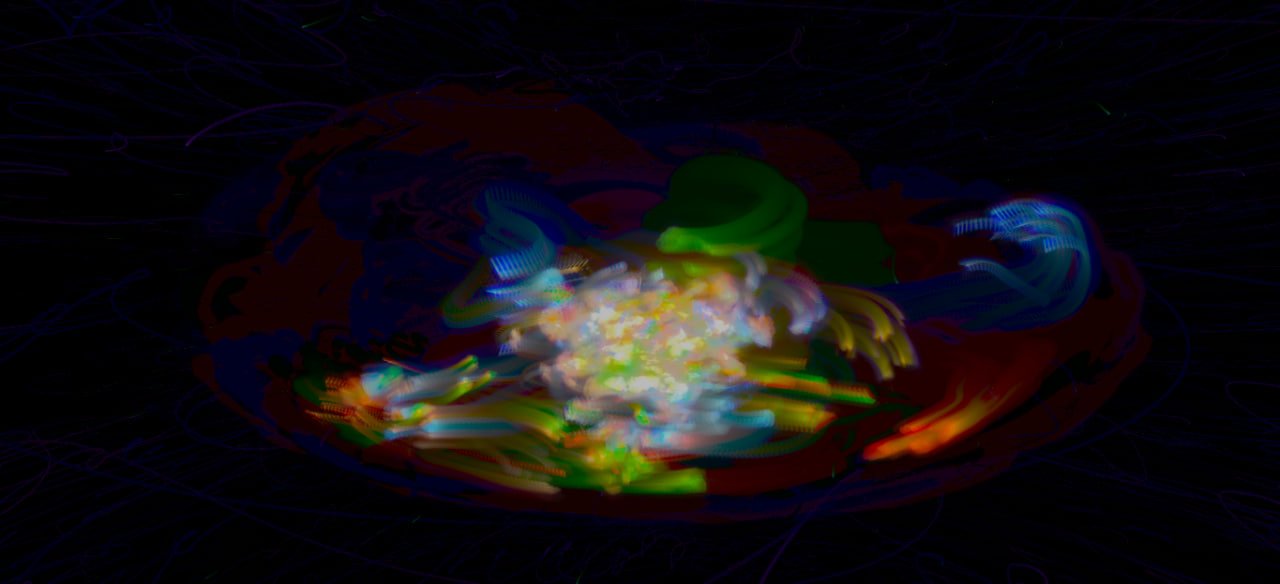
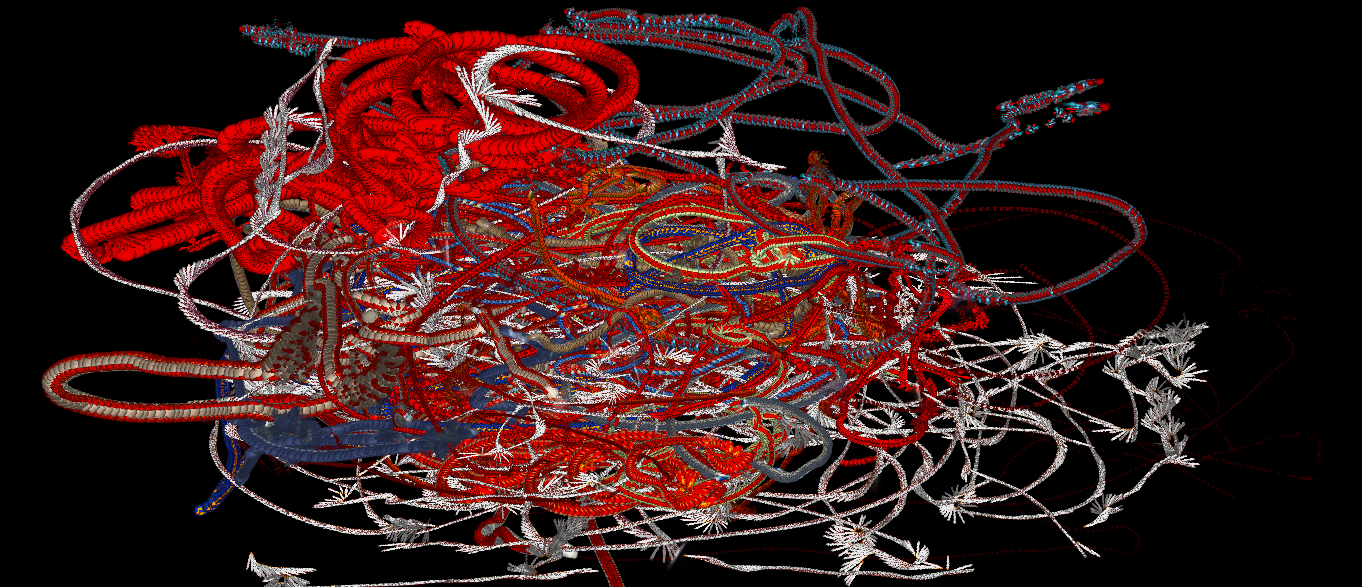
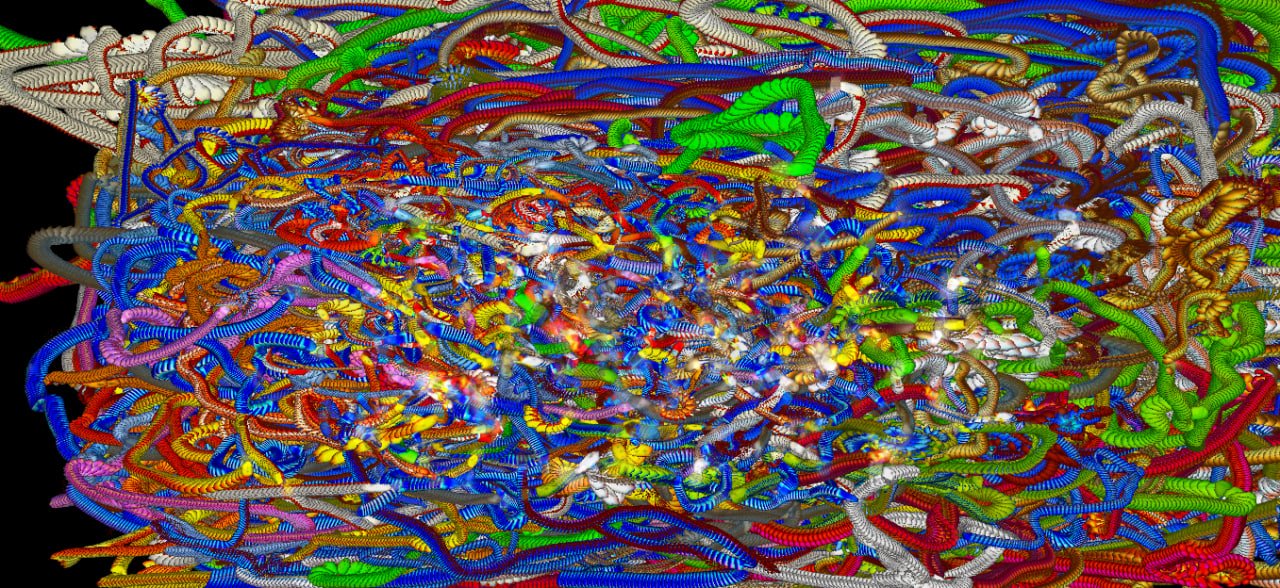


When form slips away, a shared trace remains, leading us back to the intimate.
The Garden of Memory unfolds as a living work: it does not represent memory, it produces it. Rather than offering an image to be retained, it proposes a territory where remembering is an unstable, mobile, and inevitably incomplete act. Here, experience acquires the same status as visuality: the work does not rest on a fixed “object,” but on a process that occurs, rewrites itself, and transforms with every presence.
In this piece, memory ceases to be understood as a static archive and affirms itself as creative matter. Contemplation is no longer merely a gaze directed toward a form, but an expanded sensory field in which time, participation, and perception construct the support itself. What remains is not an exact figure, but a trace: a mark of passage, intention, and shared life. The garden does not preserve “what we were” like an immobile photograph; rather, it preserves the vibration of an instant transformed into pigment and rhythm.
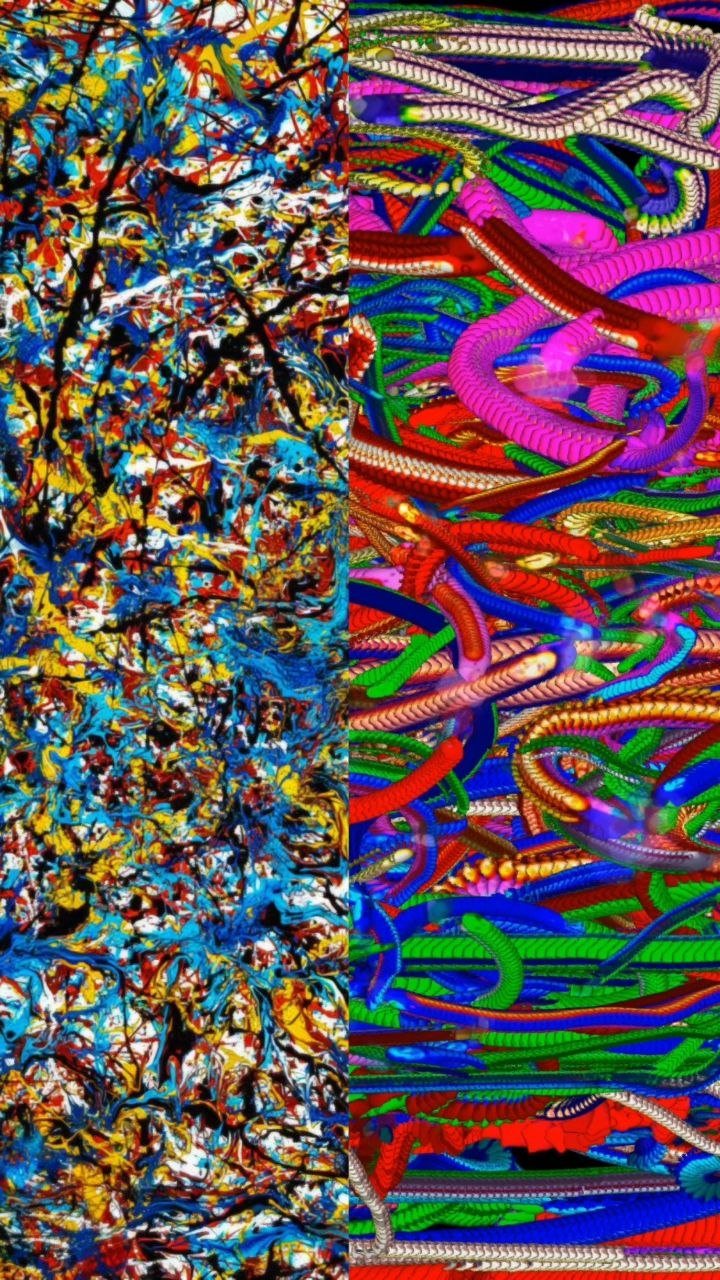
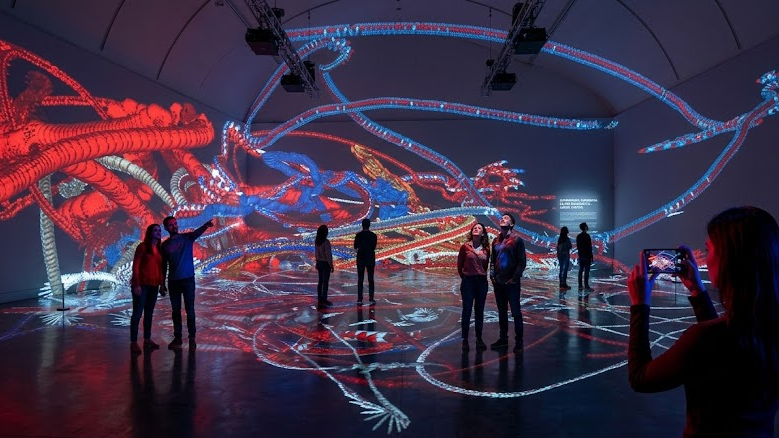
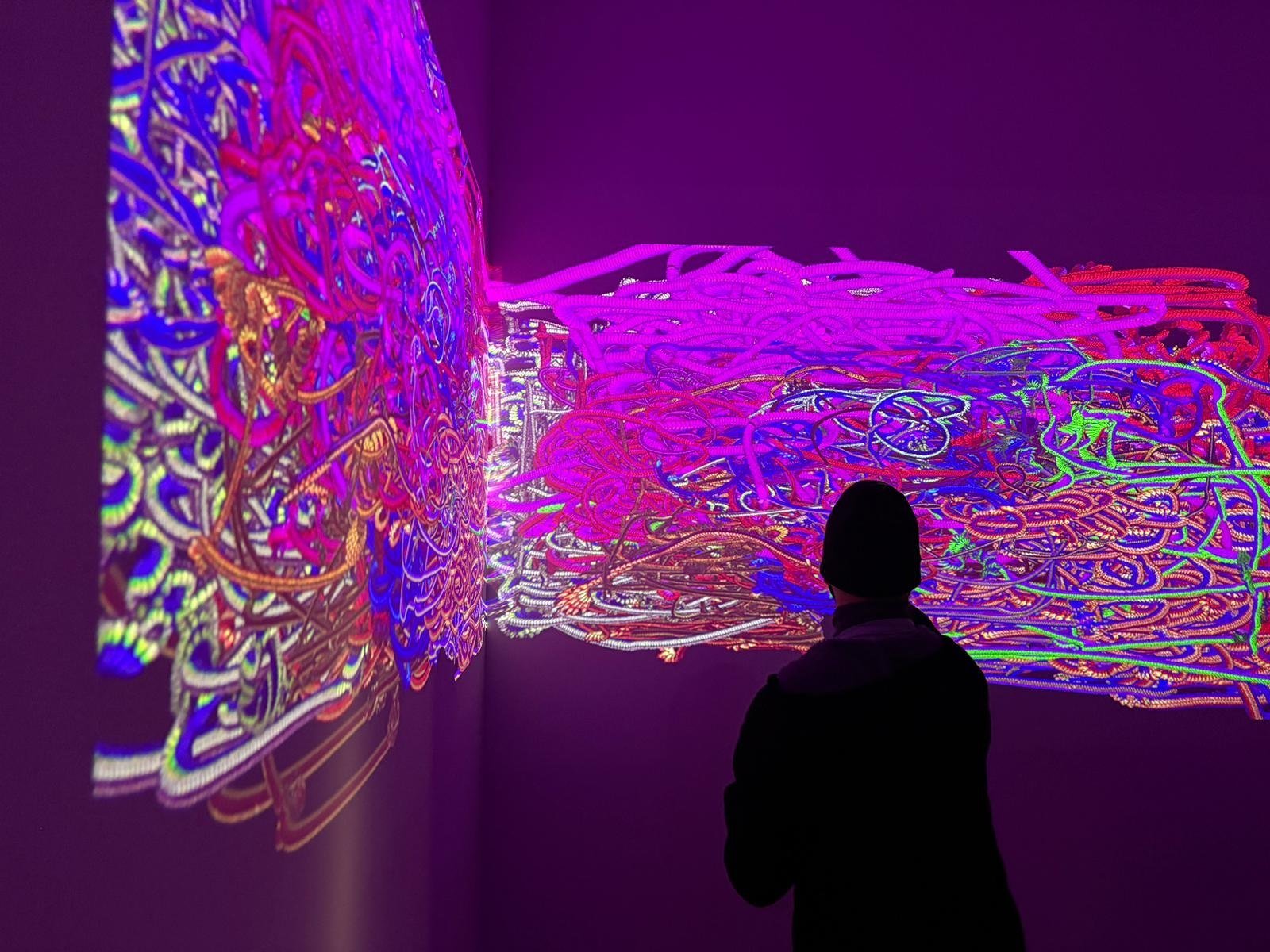
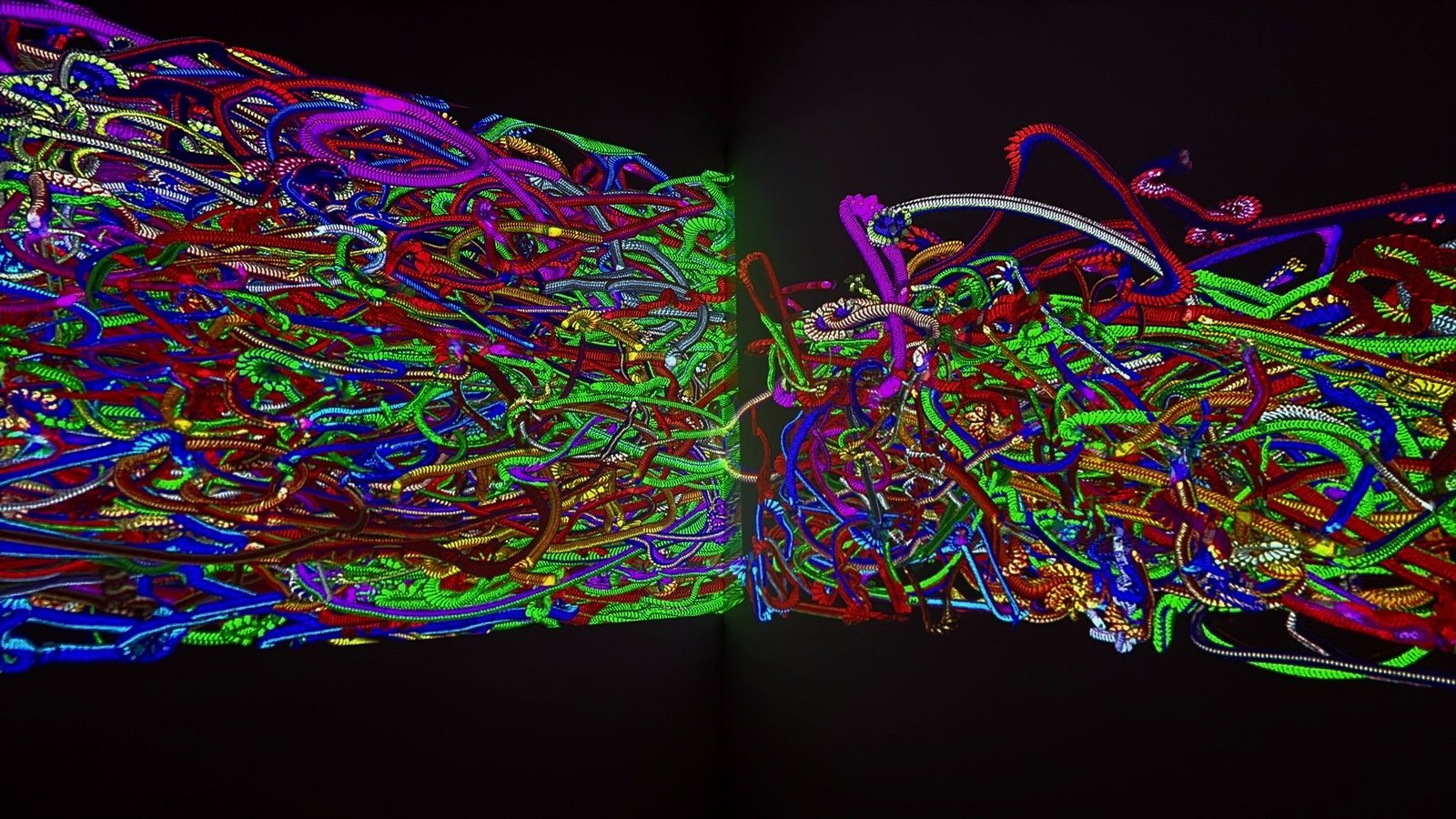
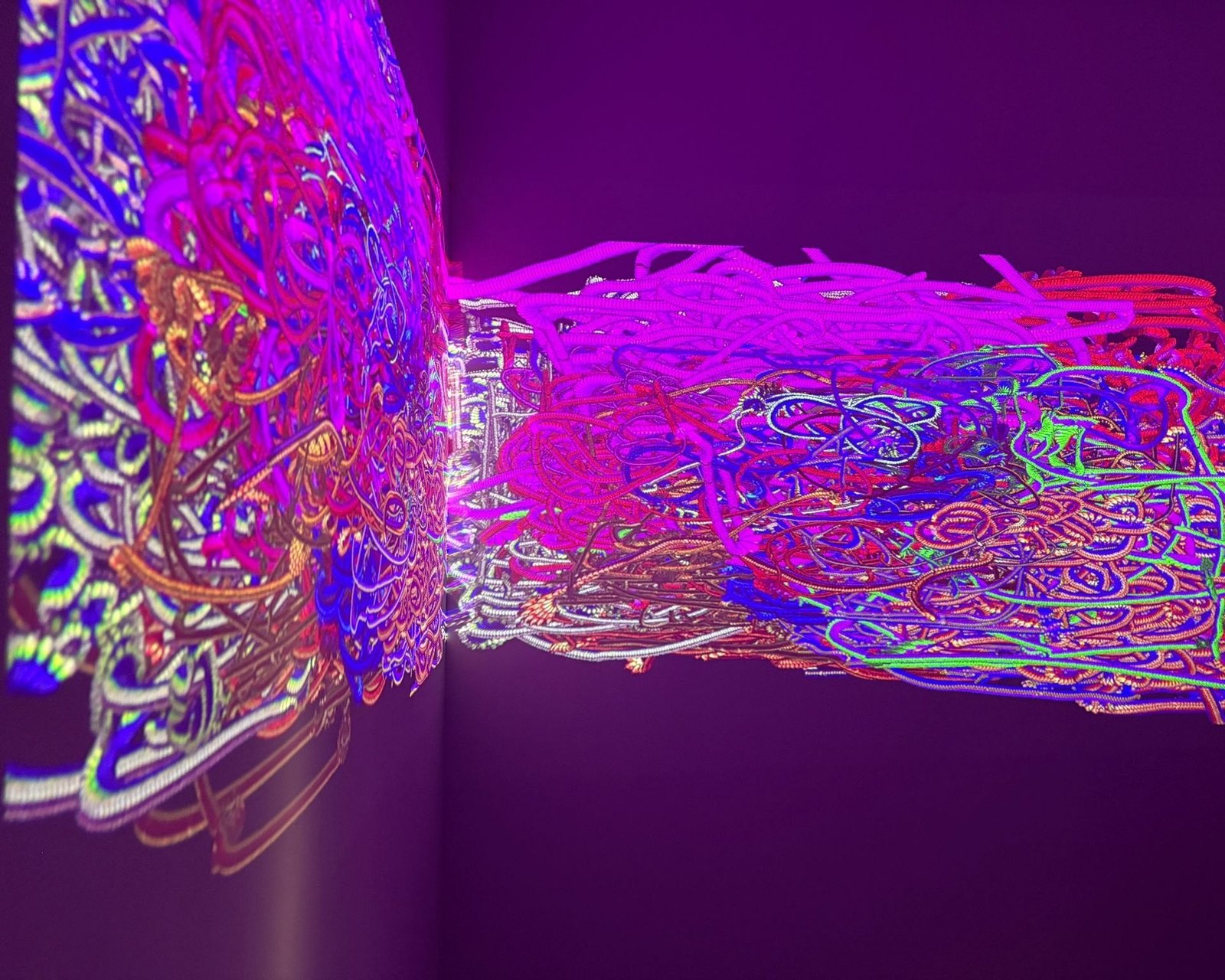
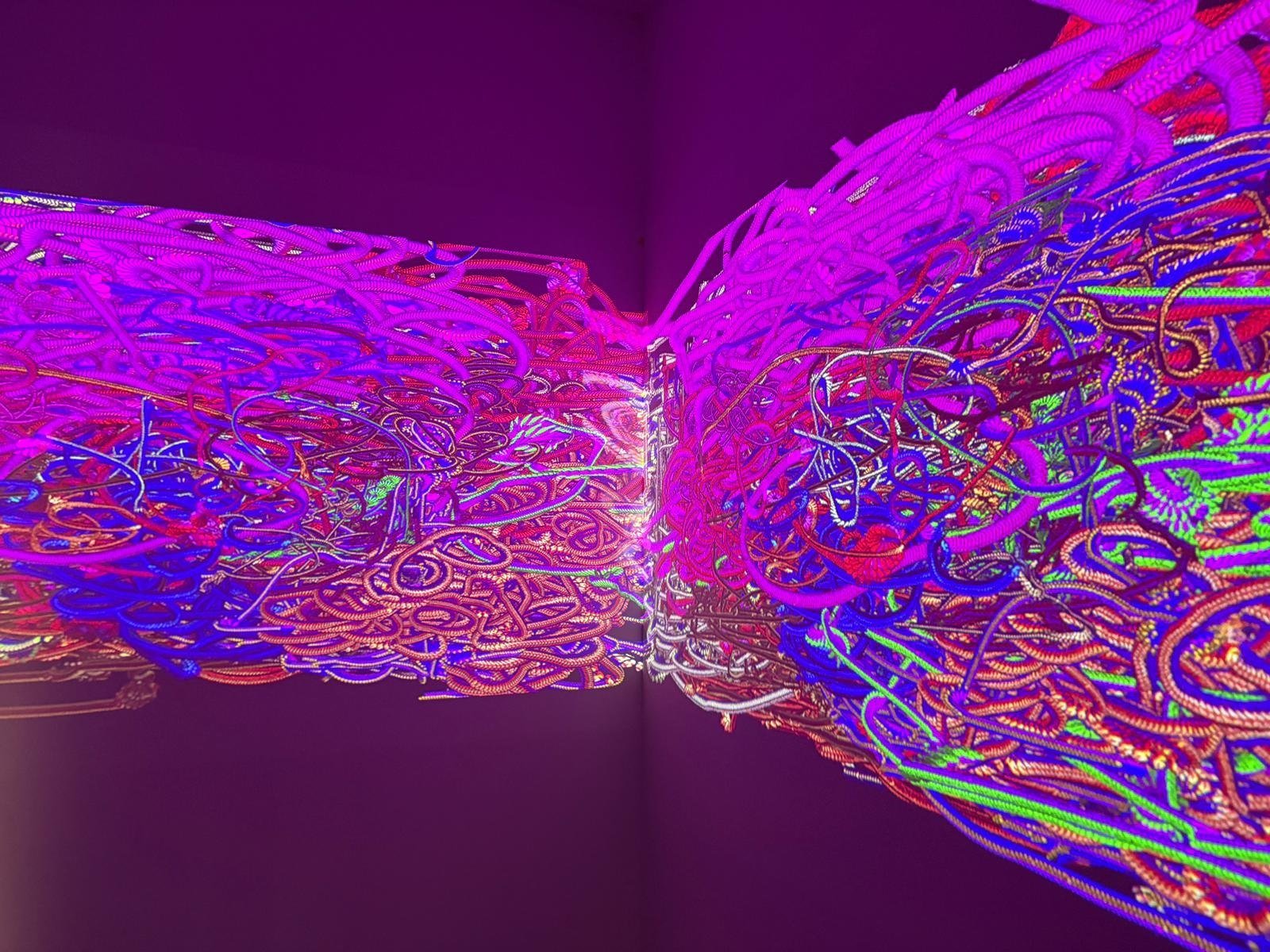
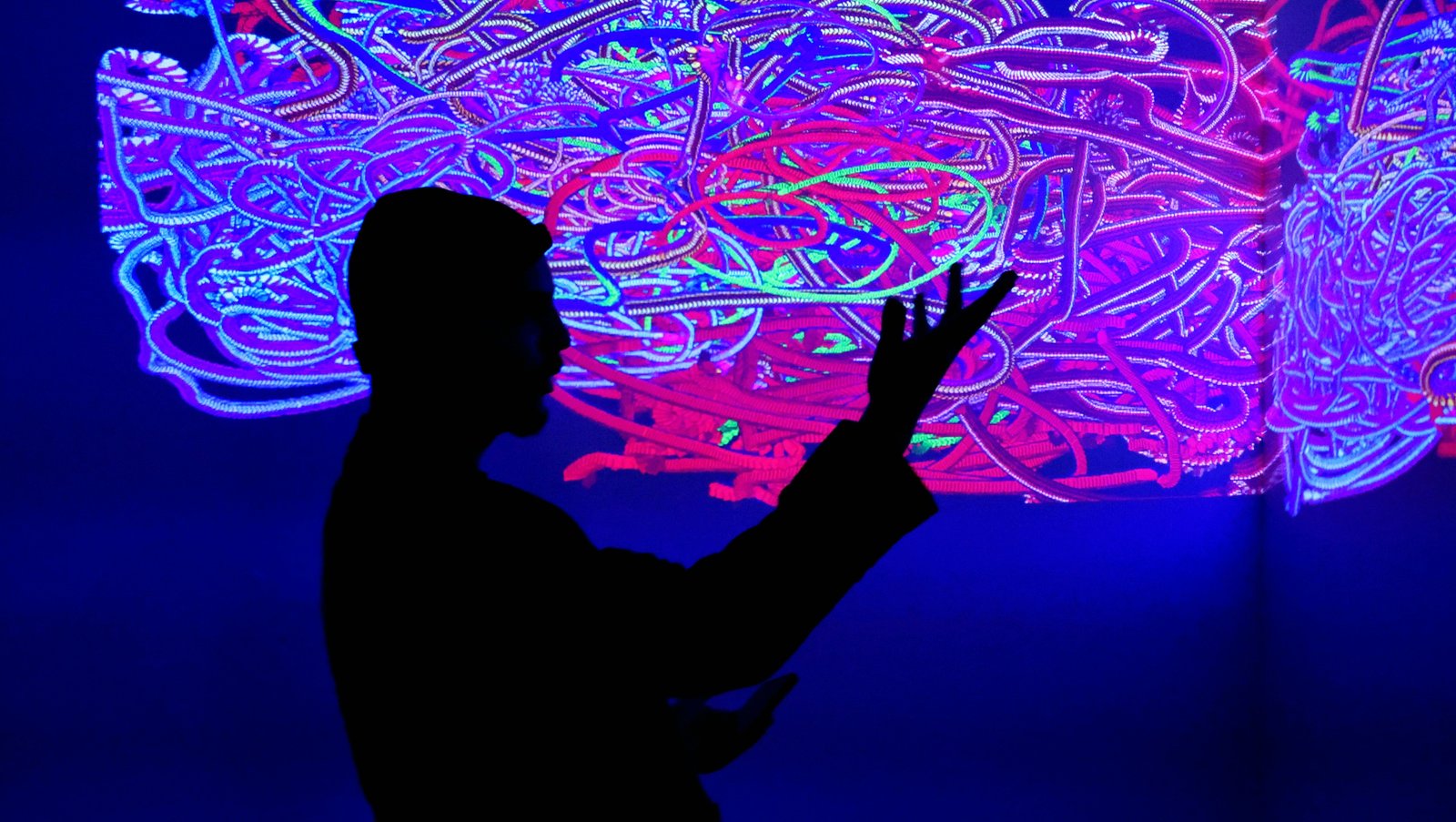
Formally, the work manifests itself as an expanding density: a web of filaments and chromatic torsions against a dark background, as if the image were woven from impulses, vines, nerves, or affective cartographies. The visual matter appears both “painted” and programmed at once: there is gesture, but also system; there is composition, but no definitive center. The aesthetic functions as an homage to traditional languages, painting, weaving, the graphic quality of the stroke, relocated within an algorithmic regime in which the “brush” is the flow of data and time is one more layer of color.
But The Garden of Memory does not unfold solely on the plane of experience: it is also sustained by scientific research that forms part of the work’s very core. The garden is, in itself, a testing ground where creation is built through mathematical formulas, simulation models, and algorithms designed to calculate trajectories. Movement is not a visual ornament: it is a language. The particles behave like entities in a vectorial space that exceeds the frame and overflows it, moving according to rules of attraction, drift, turbulence, and reentry. The work conceives space as a dynamic system: not as a background, but as an active volume in which each gesture of the audience alters the ecology of the whole.
Within this dimension, concepts from physics and mathematics emerge as poetic tools: fluid dynamics, flows, vortices, drag, vector fields, directions, intensities, gradients, and forms of order that recall harmonics, frequencies that organize chaos without closing it off. The piece operates as an expanded painting in which color and light emerge from calculation: the image is the visible surface of an invisible architecture of data, forces, and relations. For this reason, the algorithm is not merely a technical means: it is part of the content, part of the authorship, part of the “body” of the work.
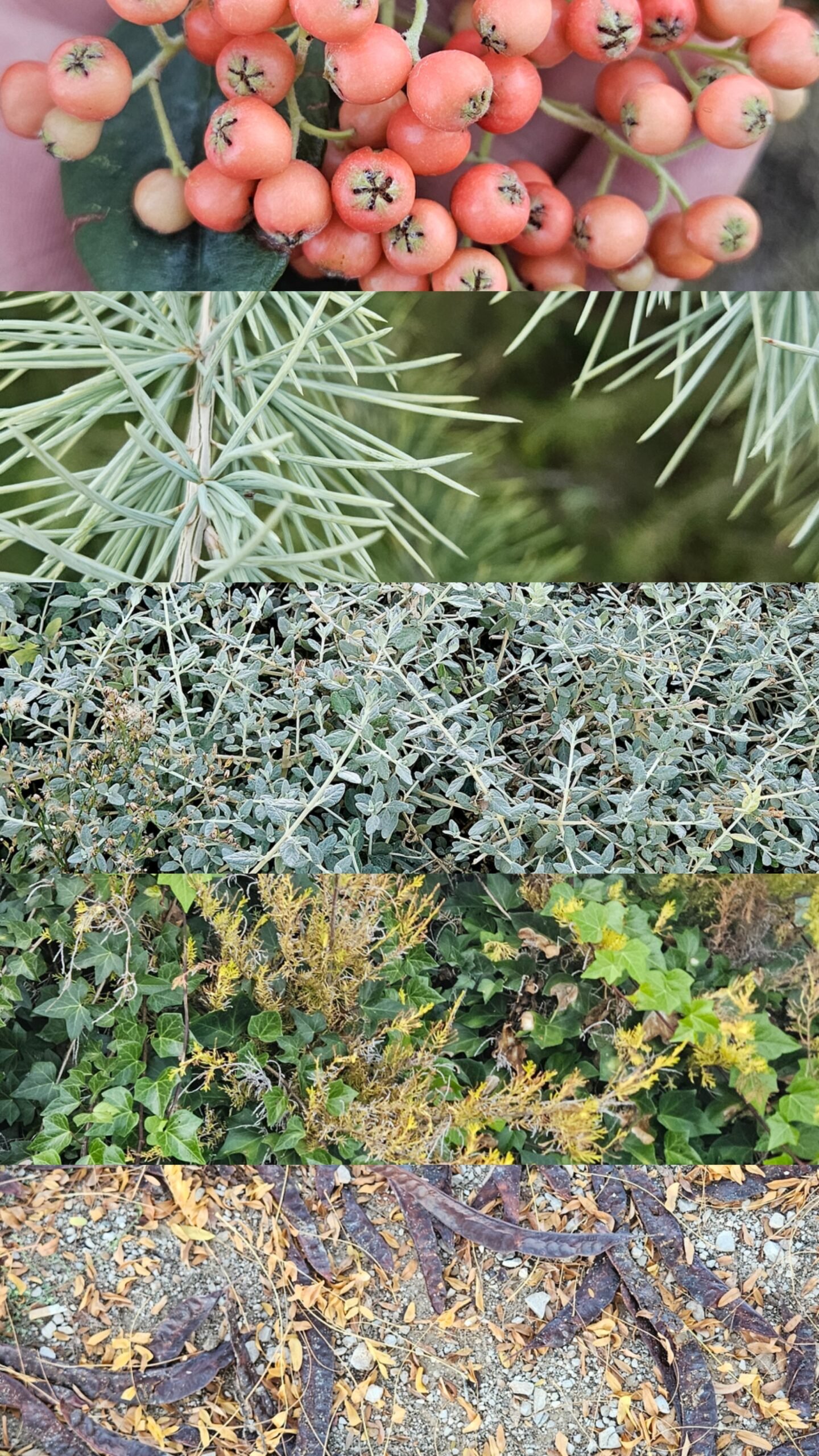
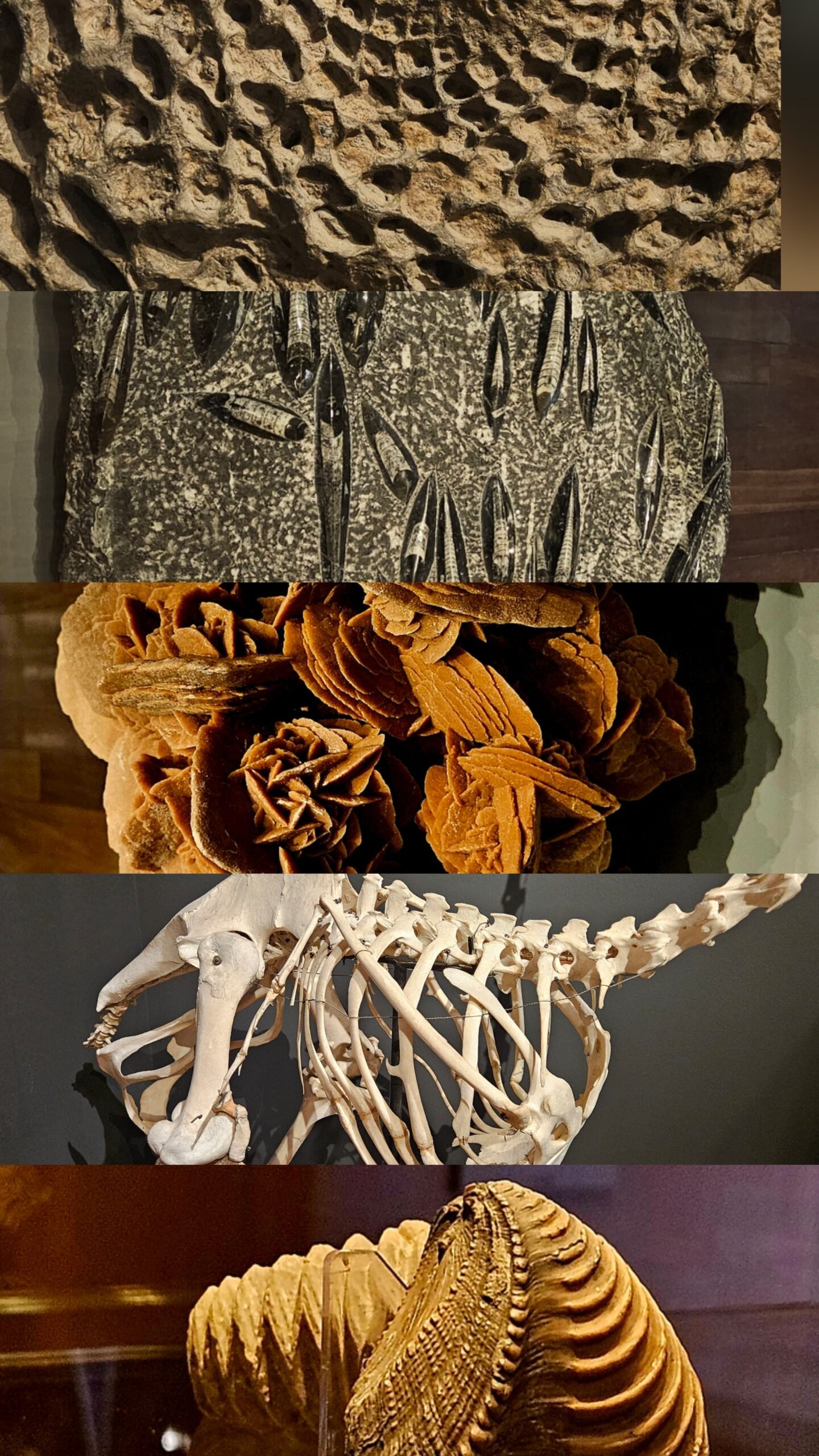
During this process, I looked for inspiration in nature, in its textures, rhythms, and energies, but also in direct encounters with the work of other artists. I visited the Museo Reina Sofía to see works by Juan Uslé and Marisa González, and I also attended exhibitions at La Casa Encendida. Each of these experiences left a distinct mark on the visual and conceptual development of the piece.
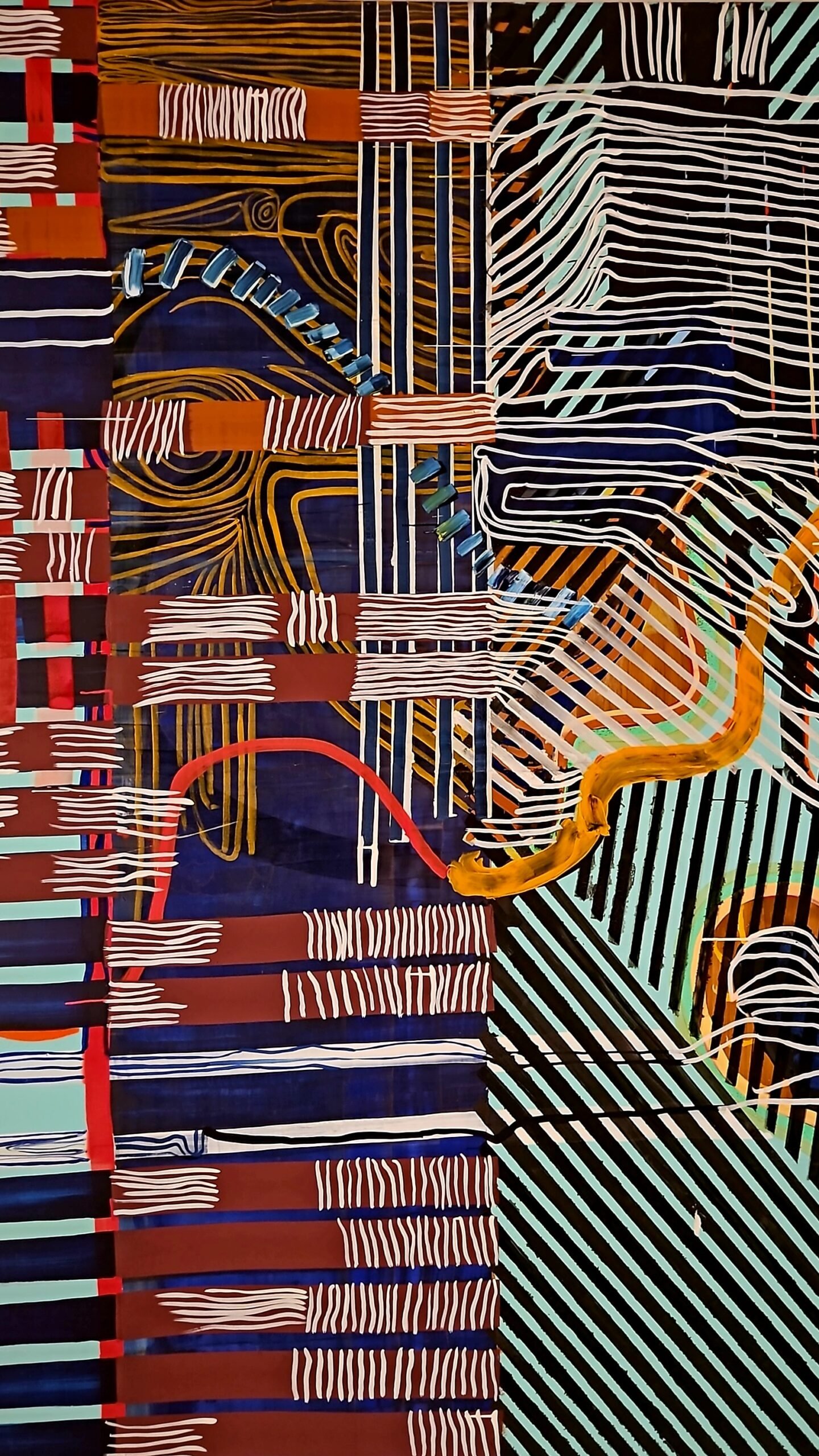
In Juan Uslé’s work, I found a particularly meaningful resonance in his use of line, in the way it can hold cadence, breath, and reflection. For me, drawing has always remained fundamental: it is still a way of translating thought, of giving presence to what has not yet fully emerged.
It was a process I experienced intensely, in close contact with nature, energy, spirituality, and the work of other creators. This is how the garden continued to grow: as a space shaped by crossings, affinities, and forms of attention that gradually gave the work its own presence.
In The Garden of Memory, there is no final version: each configuration is provisional, each state is a present that fades away. The viewer is faced with an essential paradox: we cannot remember the work because it changes, yet the work remembers us, because it incorporates within its DNA a mark of our presence. The portrait, or more precisely, the photographic intention of the face, ceases to function as identity and becomes plastic substance: a particle of time inscribed within a collective memory.
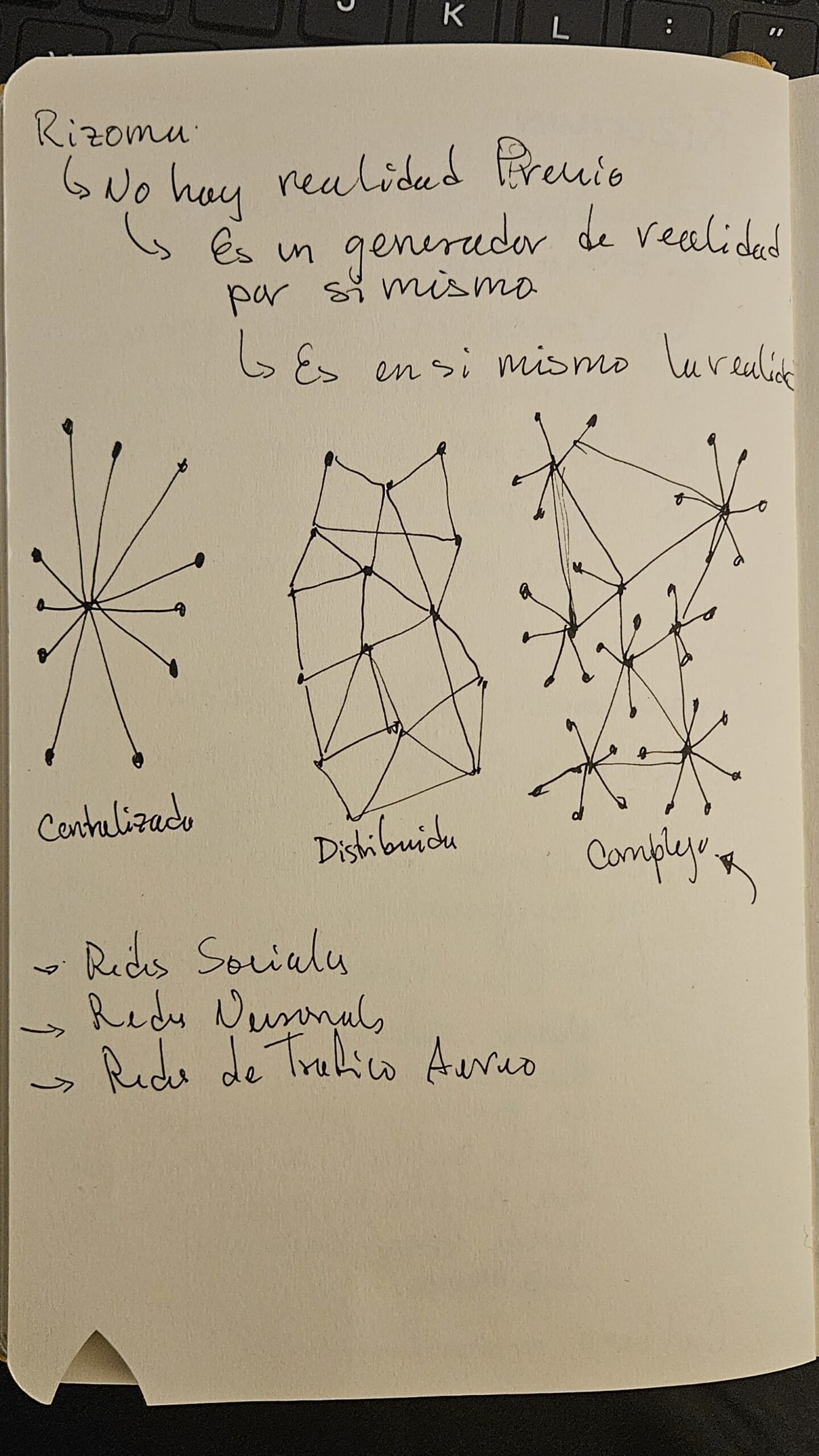
Conceptually, the piece is articulated as a rhizome: a structure without hierarchies, made of connections, branches, returns, and deviations. Authorship shifts away from the solitary gesture of the artist in the studio toward a logic of co-production: the work takes place in the exhibition act itself and is built with the public, not as decorative “participation,” but as a condition of existence. Each contribution is a seed and, at the same time, a modification of the entire ecosystem. The artist designs the sensitive framework, the rules, the behavior, the breathing of the system, but the growth belongs to the community that activates it.
There is also a decisive contemporary dimension: The Garden of Memory exceeds physical space. Its capacity to be nourished by people located anywhere in the world speaks to the way affective bonds and forms of interaction are now woven through networks, screens, and remote presences. The work does not idealize connectivity: it turns it into a sensory experience, and invites us to ask what it means to “be,” to “leave a mark,” to “belong,” when the common no longer depends on proximity.
In this sense, creation is understood as an assemblage of forces: light, internet, mathematics, and technology operate as tools of thought and as plastic material. The Garden of Memory is image, yes, but it is also method; it is contemplation, but also poetic engineering; it is collective experience, but also a rigorous design of conditions through which the living may emerge.
Ultimately, The Garden of Memory functions as a device for contemplation and meditation: a space in which the viewer not only observes, but observes themselves observing. In its constant mutation, a simple yet unsettling idea emerges: what we are is not fixed, it becomes. And in that becoming, made of traces, losses, reappearances, and resonances, the work proposes a kind of memory that does not monumentalize, but pulses.
To enter this garden is to accept that no image is enough. But it is also to discover that, even when we cannot retain the form, something remains: a minimal, shared, insistent trace that returns us to the journey toward ourselves.
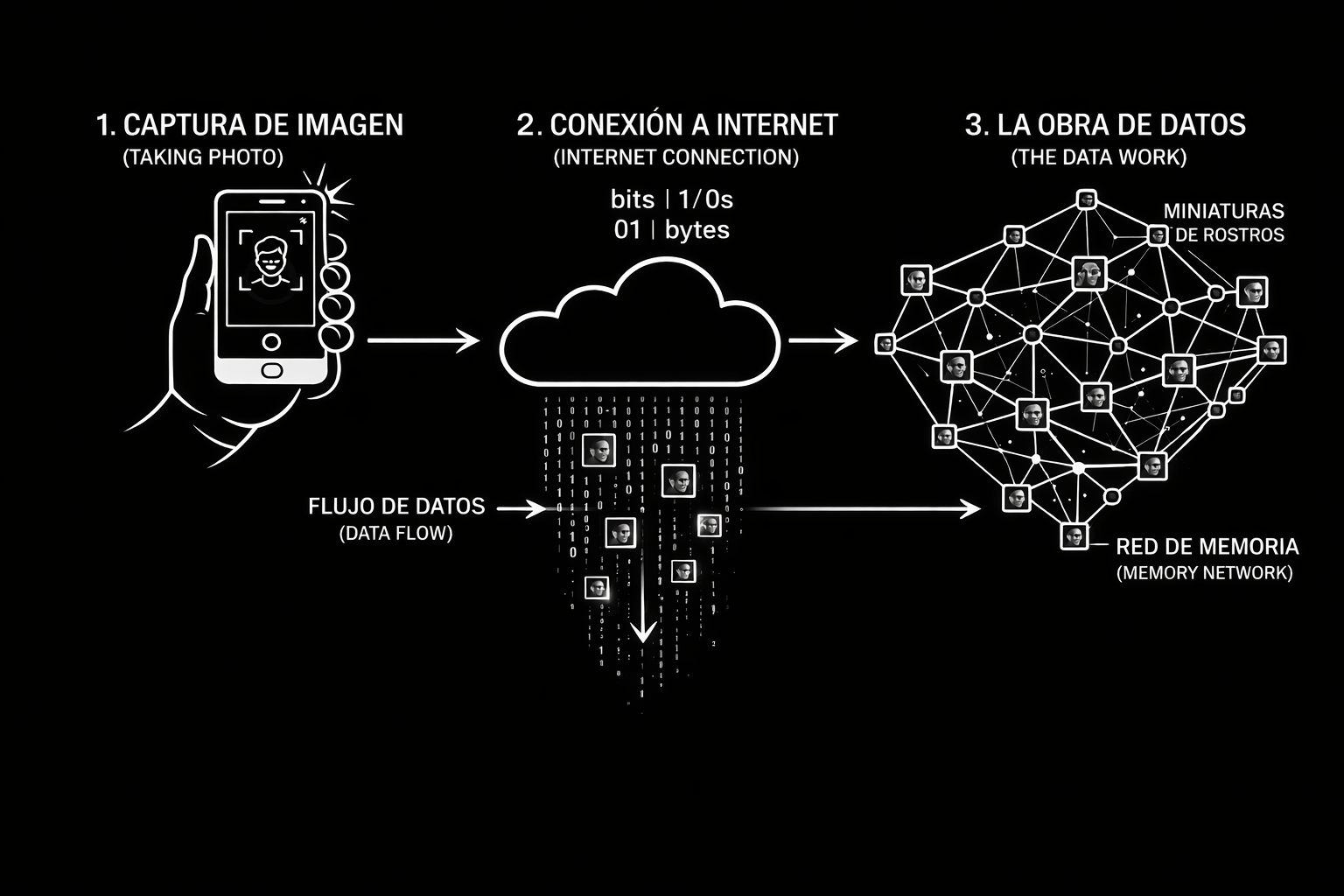
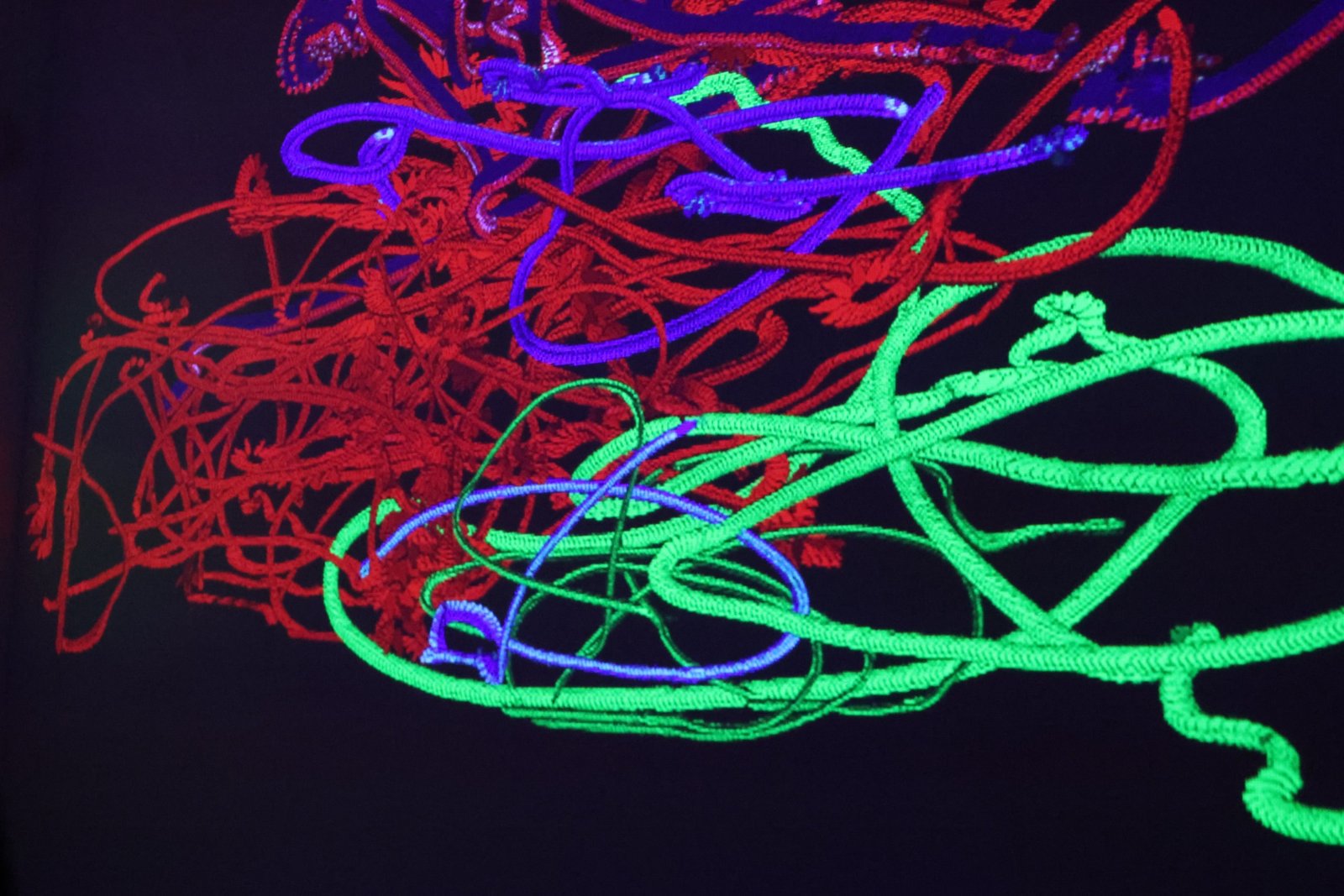
In this fragment, one can observe the technique through which the portrait functions as “pigment” within the system. Each captured photograph is incorporated as a digital texture that the algorithm decomposes into samples of color and luminance. Rather than appearing as a stable image, the portrait is fragmented, blurred, and redistributed throughout space by means of a set of particles and moving traces calculated in real time.
The blurred appearance is not an ornamental effect, but the result of a process: the image is subjected to filtering, layer blending, and drag (advection) inspired by fluid dynamics, so that the information of the face moves as if it were suspended matter. In this way, the photograph ceases to be a document and becomes an aesthetic trace, a signature of presence transformed into light, color, and trail. The portrait remains in the DNA of the work, not as a legible identity, but as visual memory in continuous transformation.
The Garden of Memory is an immersive and interactive work that is completed in the exhibition act itself. Unlike a work conceived in the solitude of the studio, creation here takes place in real time, with the audience as an active part of it: the gallery becomes a living medium in which the piece is activated, grows, and changes.
The interaction begins with an everyday gesture: the selfie. Each photograph taken during the exhibition is integrated into the system and transformed into digital pigment, breaking down into light and trace to generate a potentially infinite line. The work does not represent the audience: it is built through their presence.
In this way, the selfie is understood as an act of permanence: “I was here.” That trace moves from physical space into digital space and reflects how we connect today, through networks, data, and images. In this work, memory is not archived: it is produced and set in motion.
During the creative process of The Garden of Memory, more than 239 versions of the project were developed with a clear objective: to find an aesthetic and chromatic balance capable of sustaining the experience over time, without becoming exhausted or repetitive. The work did not emerge as a single linear path of progress, but as a system of exploration: a search through approximations, detours, and returns.
The central method was the concept of the seed. A seed is an initial idea, a minimal set of visual rules and parameters, movement, density, blending, light, and color, from which a family of results unfolds. As a version developed, its behavior within the exhibition space was evaluated. If the result did not achieve the desired tension, the process moved backward, returning to the seed in order to open a new path. In this way, the project grew through branching rather than linear accumulation: each decision generated a variant; each variant revealed a possible garden.
This approach made it possible to work with several seeds in parallel, from different perspectives and states of the system, until a repertoire of visualities was built that dialogued with the idea of the “garden” as ecosystem. From this laboratory emerged atmospheres associated with vegetation, water, air, and presences that evoke the animal. Not as literal illustration, but as qualities: undulation, drift, breathing, swarm, growth, suspension. Taken together, these explorations consolidated a visual language capable of suggesting nature without representing it, and of sustaining the conceptual promise of the work: a living, mutable space that reconfigures itself with each presence.
Composer: Monserrat Escobio Llanos
To compose the cycle of pieces The Garden of Memory, I was inspired by the eponymous work of visual artist Jaco Casstillo, for which this music was created, while also engaging in dialogue with pictorial creations such as The Garden of Earthly Delights by Hieronymus Bosch and my own work Moon Garden.
I conceived it as program music, telling a story that I wrote specifically for this musical composition. It consists of four pieces, and each of them represents a different scene from the story. I chose for there to be four pieces because the number four symbolizes balance, present in many aspects of existence, such as the four elements, the four seasons, and the four cardinal points. This work evokes that harmony, which does not imply stillness or uniformity, but rather the beauty of the union of the whole, capable of containing diversity while remaining in constant movement and transformation.
Each piece is accompanied by real sounds from nature, which also function as a thread connecting them. I decided to incorporate the murmur of a stream, birdsong, and rain so that those who experience this immersive work may feel themselves realistically בתוך that garden.
In the case of the first piece, titled Collision of Stars, the work does not incorporate these sonorities, in order to suggest that the garden is still in the process of formation. However, my breathing can be heard, representing the vital breath and the emergence of these new beings.
Slide the carousel and tap a card to open its full universe. Each piece unfolds its own atmosphere, with color, symbols, and interactive effects that evoke its musical scene.
At the end of the fourth piece, the music and the story begin to repeat from the beginning in an infinite loop, reminding us that life is a constant spiral: we always return to the point of origin, and cycles repeat themselves.
In the case of this narrative, that return is positive, because it conveys a message of evolution. However, when reflecting on the true history of humanity, we should question this repetition of cycles in order to transform everything that corrodes our essence and thus achieve human growth.
No account yet?
Create an Account
